Milk in Skincare: A Gentle Heritage Ingredient for Mature Skin
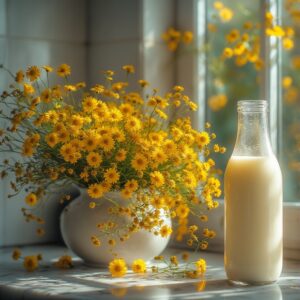
Milk has long been associated with softness, care, and nourishment. For centuries, it has appeared in beauty rituals not as a treatment meant to correct skin issues, but as one meant to comfort and refine.
Perhaps the most well-known image is Cleopatra’s milk baths, often retold because they capture something essential: milk’s ability to soften skin gently, without harshness. However, milk’s role in beauty extends far beyond legend.
Today, milk remains one of the most quietly effective heritage skincare ingredients for mature skin, particularly for women seeking gentle renewal rather than aggressive exfoliation. In this post, part of The Heritage Skincare Edit, we’ll explore milk’s history in skincare, why it works so well for mature skin, and how to approach it thoughtfully in a modern routine. It’s good to remember this ingredient has remained relevant not because it was rediscovered, but because it was never forgotten.
Milk’s Long History in Beauty and Skin Care
Milk has been used in skincare traditions across cultures. From ancient Egypt to European countryside remedies, it was valued for its ability to soften skin, improve texture, and bring comfort to dry or weathered complexions.
What early users may not have known by name, we now understand scientifically: milk contains lactic acid, a naturally occurring alpha hydroxy acid. Unlike stronger acids used today, lactic acid works gently, helping loosen dull surface cells while supporting moisture retention.
This balance explains milk’s lasting appeal. Even historically, it offered refinement without irritation, a quality that becomes increasingly important as skin matures.
Why Milk Is Especially Supportive for Mature Skin
As skin matures, its needs become more nuanced. Cell turnover slows, hydration declines, and skin can feel both drier and more prone to breakouts than it did earlier in life. Milk addresses these changes gently, which is why it remains one of the most effective heritage skincare ingredients for mature skin.
One of milk’s most valuable components is lactic acid, a naturally occurring alpha hydroxy acid known for its skin-brightening and smoothing properties. Unlike stronger exfoliating acids, lactic acid works at the surface of the skin to loosen dull, dead cells while also helping the skin retain moisture. As a result, mature skin often appears brighter, softer, and more even-toned, without the irritation that harsher exfoliants can cause.
Milk can also be helpful for women experiencing adult acne, which often behaves differently than acne earlier in life. Rather than excess oil alone, adult breakouts are frequently linked to slower cell turnover, clogged pores, and increased sensitivity. Lactic acid supports gentle exfoliation, helping keep pores clear while remaining one of the most well-tolerated exfoliating ingredients for mature skin.
Vitamins and Skin-Supported Nutrients
In addition, milk contains naturally occurring vitamins and skin-supportive nutrients that contribute to its anti-aging reputation. These include:
- Vitamin A, which supports gentle renewal and smoother-looking skin
- Vitamin D, associated with maintaining a healthy skin barrier
- B vitamins, which help support a balanced, healthy complexion
Together, these nutrients help explain why milk has long been valued in skincare for aging skin. Instead of forcing rapid change, milk supports skin through hydration, mild exfoliation, and ongoing nourishment — an approach that aligns well with the needs of mature skin.
This unique combination of brightening, refining, and barrier support explains why milk has remained relevant for centuries. It doesn’t overwhelm the skin. Instead, it encourages skin to function at its best, which is at the heart of using heritage skincare ingredients for mature skin.
Milk also pairs beautifully with soothing ingredients like oats, making it a natural progression within heritage skincare ingredients for mature skin.
Modern Ways Milk Appears in Skincare Today
While historical beauty rituals often used fresh milk, modern skincare offers more practical and stable options — which is helpful for both consistency and sourcing.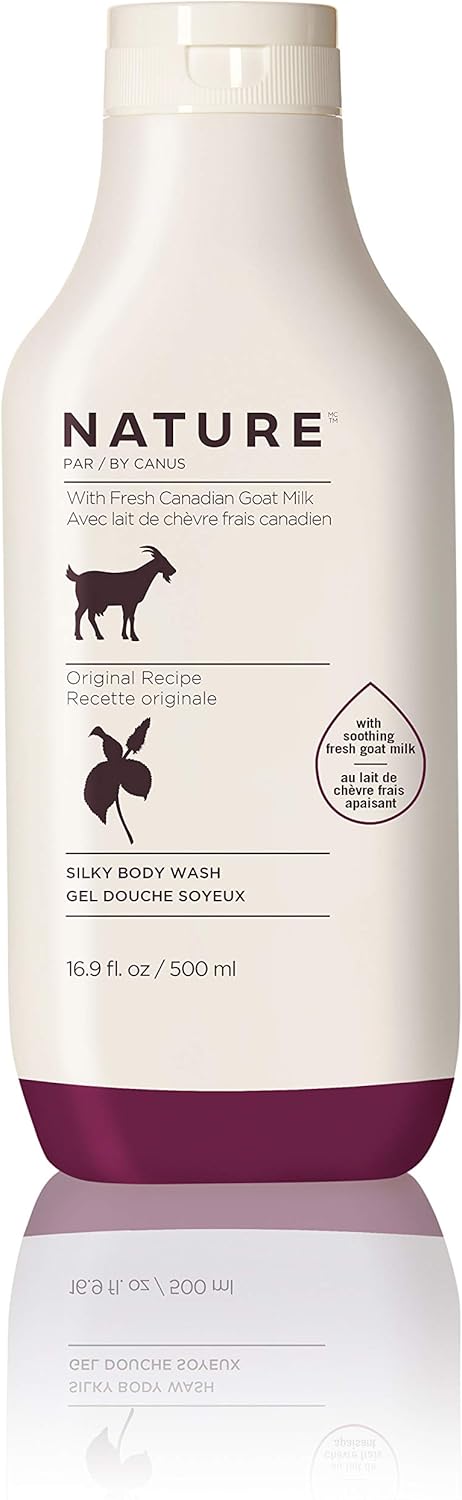
Today, milk appears in skincare as:
- Lactic acid–based products
Creams, serums, and toners formulated for gentle exfoliation. - Goat milk skincare
Naturally rich and often better tolerated than cow’s milk. - Powdered milk or milk extracts
Shelf-stable options sometimes used in masks and cleansers. - Prepared milk-based cleansers and creams
Designed to soften without disrupting the skin barrier.
For most mature women, professionally formulated products are the easiest and most reliable way to enjoy milk’s benefits — especially when sourcing through trusted retailers like Amazon.
As always, look for simple formulas and avoid unnecessary fragrance, which can interfere with milk’s naturally calming effect.
Choosing Quality Milk-Based Skincare Products
When selecting milk-inspired skincare, clarity and restraint are key. The goal is gentle renewal, not over-exfoliation.
What to look for:
- Lactic acid listed clearly, not buried
- Low to moderate concentrations, suitable for mature skin
- Minimal ingredient lists
- Tinted or opaque packaging, especially for liquids
Milk-derived ingredients, particularly lactic acid, can degrade when exposed to light and air. Tinted glass bottles help preserve effectiveness and often indicate a more thoughtful formulation approach.
This attention to packaging and transparency aligns beautifully with the principles behind heritage skincare ingredients for mature skin — simple, considered, and effective.
Milk’s Place in The Heritage Skincare Edit
Milk earns its place in The Heritage Skincare Edit because it bridges comfort and renewal. It refines without demanding, softens without stripping, and supports skin that is changing rather than trying to reverse it.
It also serves as a natural transition ingredient. After the calming support of oats, milk introduces gentle resurfacing. From here, the series will move toward rose, an ingredient rooted in hydration, ritual, and sensory care.
Together, these ingredients form a skincare rhythm that feels thoughtful and sustainable.
A Thought to Carry With You
There is something reassuring about an ingredient that improves skin quietly over time. Milk reminds us that renewal does not need to be harsh to be effective — especially as our skin becomes wiser, more sensitive, and more deserving of care.
Sometimes softness is the strategy.
Editorial Note for Series Continuity
In the previous post in The Heritage Skincare Edit, we explored oats — a deeply soothing ingredient that supports sensitive and reactive mature skin. Next, we’ll turn to rose, a time-honored ingredient celebrated for hydration, ritual, and quiet radiance. If you’d like to see how this ingredient fits into a simple, repeatable routine, you may enjoy the companion post, The Heritage Skincare Edit: Simple Rituals for Timeless Skin.


#HeritageSkincare #MilkSkincare #MatureSkinCare #GentleExfoliation #SlowBeauty #TimelessSkincare #BeautyWisdom #CleanBeauty #AgingGracefully #WomenOver40
* As an Amazon Associate, I earn from qualifying purchases. Click the images or the product links to shop the products that I recommend and love! Thank you for your support! *
#affiliate #CommissionsEarned