Olive Oil: An Enduring Heritage Skincare Ingredient for Mature Skin
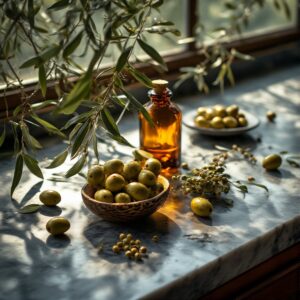
Olive oil has been part of beauty rituals for thousands of years. Long before moisturizers came with marketing claims, women in the Mediterranean relied on olive oil to cleanse, soften, and protect their skin — often from head to toe. Today, olive oil still earns its place in heritage skincare ingredients for mature skin, especially as dryness, sensitivity, and loss of elasticity become more common with age. This ingredient has remained relevant not because it was rediscovered, but because it was never forgotten. However, not all olive oil is created equal, and quality matters more now than ever.
In this post, part of The Heritage Skincare Edit, we’ll explore olive oil’s long history in skincare, why it supports mature skin so well, how to choose a high-quality option, and what to know about adulterated olive oil before using it on your face.
A Brief History of Olive Oil in Beauty Rituals
Olive oil has been used for both health and beauty since ancient times. In Ancient Greece, athletes cleansed their skin with olive oil before bathing. Meanwhile, Roman women used it to soften skin and protect it from harsh weather.
In addition, olive oil played a role in early cleansing rituals. Soap, as we know it today, didn’t exist yet. Instead, oil was massaged onto the skin and gently removed, taking dirt with it while leaving the skin comfortable rather than stripped.
This approach makes sense for mature skin. As we age, aggressive cleansing can weaken the skin barrier. Olive oil, however, works with the skin rather than against it — a principle that has stood the test of time.
Why Olive Oil Works So Well for Mature Skin
As skin matures, olive oil’s benefits go far beyond surface softness. Its natural composition closely mirrors the lipids found in healthy skin, which is especially helpful as oil production slows with age.
Olive oil supports mature skin because it is:
- Rich in oleic acid, which helps soften and condition dry skin
- Naturally high in squalene, a lipid that declines with age
- Protective, helping support the skin barrier
- Comforting, especially for tight or fragile skin
As a result, olive oil is particularly helpful for women experiencing menopausal dryness or seasonal dehydration. Additionally, it layers well with other heritage skincare ingredients for mature skin, such as honey or oats.
However, olive oil is best suited for dry to normal skin types. If your skin is very acne-prone, it may work better as a cleansing oil or occasional treatment rather than a daily moisturizer.
How to Use Olive Oil in a Mature Skincare Routine
One of olive oil’s strengths is its versatility. You don’t need a complicated routine to benefit from it.
Common ways to use olive oil on mature skin include:
- Oil cleansing
Massage a small amount onto dry skin, then remove with a warm, damp cloth. - Facial oil
Apply one or two drops to damp skin, especially at night. - Targeted moisture
Use on dry areas such as around the eyes, neck, or décolleté. - Blended treatments
Combine with honey or oats for a simple, nourishing mask.
Start slowly. A little goes a long way, and mature skin often responds best to gentle consistency rather than heavy application.
Choosing High-Quality Olive Oil for Skincare
This is where things get important — and where many people unknowingly go wrong.
When olive oil is used for skincare, quality matters more than price. Lower-grade oils may be overly refined, stripped of beneficial compounds, or diluted with other oils.
What to look for in a quality olive oil:
- Extra virgin olive oil (EVOO)
This indicates the oil was mechanically pressed without excessive heat. - Cold-pressed
Helps preserve natural antioxidants and lipids. - Harvest or bottling date
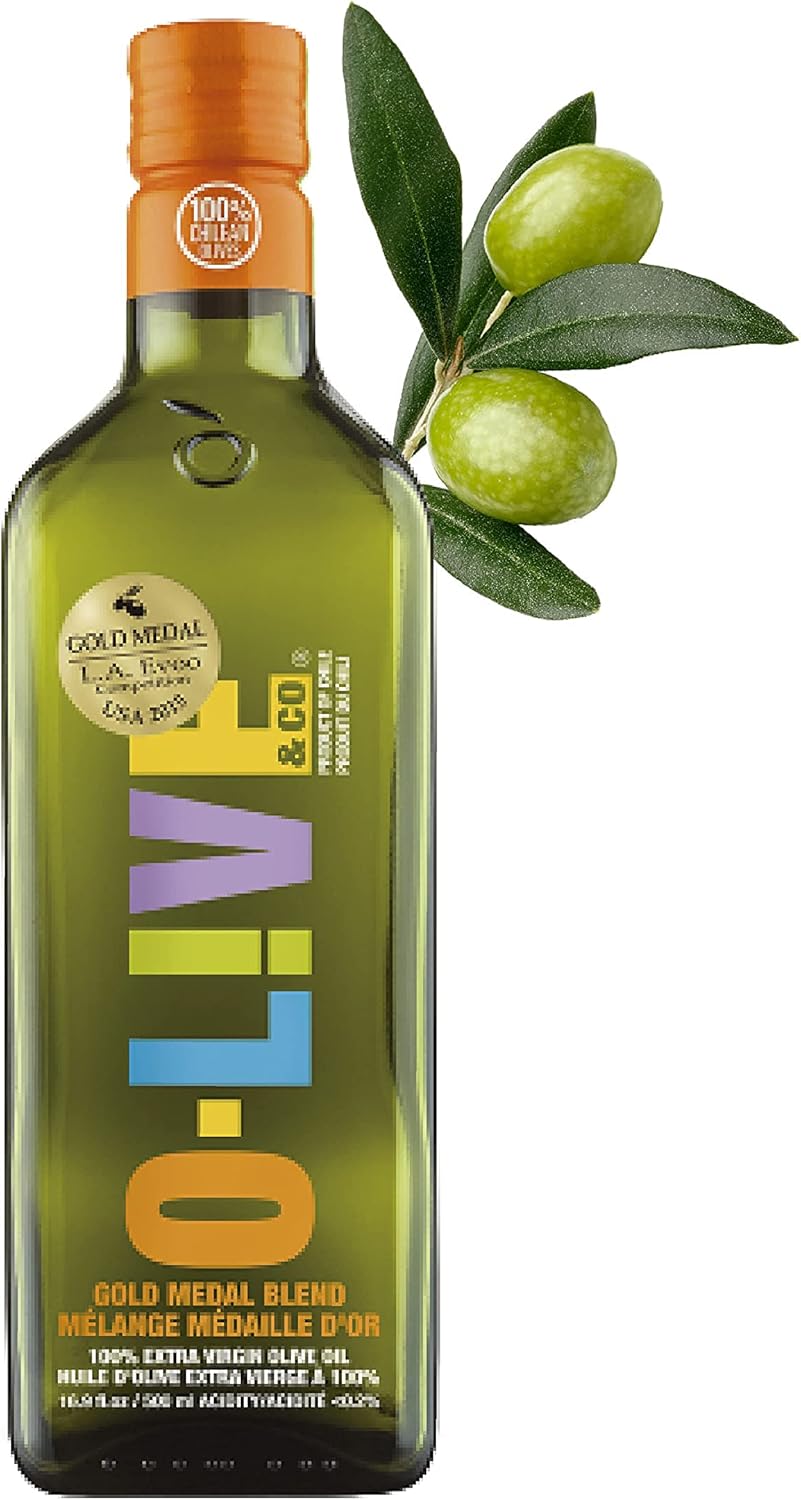
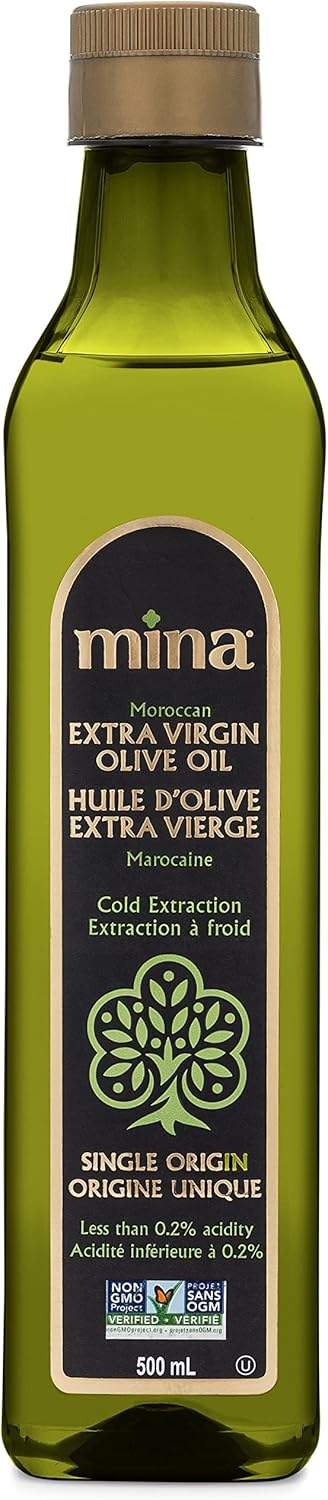
Fresher is better; olive oil is not meant to sit for years. - Tinted or dark glass bottles
Light degrades olive oil over time. Amber or green glass helps protect its integrity.
Packaging is especially telling. Clear bottles may look pretty, but they expose oil to light. Tinted glass, on the other hand, quietly signals care and quality — exactly what mature skin deserves.
These criteria also make olive oil one of the easiest heritage skincare ingredients for mature skin to source responsibly through trusted online retailers, including Amazon.
A Gentle Warning About Adulterated Olive Oil
Unfortunately, olive oil is one of the most adulterated products in the world. Some bottles labeled “olive oil” may contain lower-grade oils or blends with little actual olive content.
For skincare use, this matters. Adulterated oils may lack the nourishing properties you expect and, in some cases, can irritate sensitive skin.
Red flags to watch for:
- Extremely low prices with vague labeling
- No country of origin listed
- Clear plastic or clear glass packaging
- No mention of extra virgin or cold-pressed processing
When in doubt, choose reputable brands that prioritize transparency. It’s better to use a small amount of high-quality oil than a large amount of something questionable.
Olive Oil’s Place in The Heritage Skincare Edit
Olive oil earns its place in The Heritage Skincare Edit because it does exactly what mature skin needs most: it supports, comforts, and restores without demanding attention.
It also pairs beautifully with other heritage skincare ingredients for mature skin. For example, honey and olive oil together create a deeply nourishing mask, while oats and olive oil can calm dry, reactive skin.
In the next posts in this series, we’ll explore these complementary ingredients one by one, showing how simple routines can feel both effective and deeply personal.
A Thought to Carry With You
There’s something grounding about using an ingredient that has cared for women’s skin for centuries. Olive oil reminds us that skincare doesn’t need to be loud or complicated to be effective.
If your skin has been asking for comfort rather than correction, olive oil may be a thoughtful place to begin — or return to.
Editorial Note for Series Continuity
So far in our series we have explored honey and olive oil, next in The Heritage Skincare Edit, we’ll be turning to oats — a quietly powerful ingredient known for calming sensitive, reactive, and menopausal skin. If your skin often asks for comfort more than correction, oats may feel like a welcome companion. If you’d like to see how this ingredient fits into a simple, repeatable routine, you may enjoy the companion post, The Heritage Skincare Edit: Simple Rituals for Timeless Skin.

#HeritageSkincare #OliveOilSkincare #MatureSkinCare #NaturalBeautyOver40 #SlowBeauty #TimelessSkincare #BeautyWisdom #CleanBeauty #AgingGracefully #WomenOver40
* As an Amazon Associate, I earn from qualifying purchases. Click the images or the product links to shop the products that I recommend and love! Thank you for your support! *
#affiliate #CommissionsEarned